
Avoid the Pitfalls of Over-Mulching with Pro Landscaping Help
Mulch is one of those simple landscaping tools, but misuse can cause more harm than good. When done right, mulching keeps moisture in the soil, blocks weeds, and gives your yard a clean, finished look. However, overdoing it can lead to problems like root rot, pest issues, and stunted plant growth. That’s why understanding the risks of over-mulching is key to keeping your landscape healthy.
At Everyday Landscape Maintenance, we’ve seen firsthand how a good thing like mulch can go bad when applied without the proper care. Let’s walk through what over-mulching looks like, why it happens, and how our team can help you avoid the damage it causes.
What Is Over Mulching?
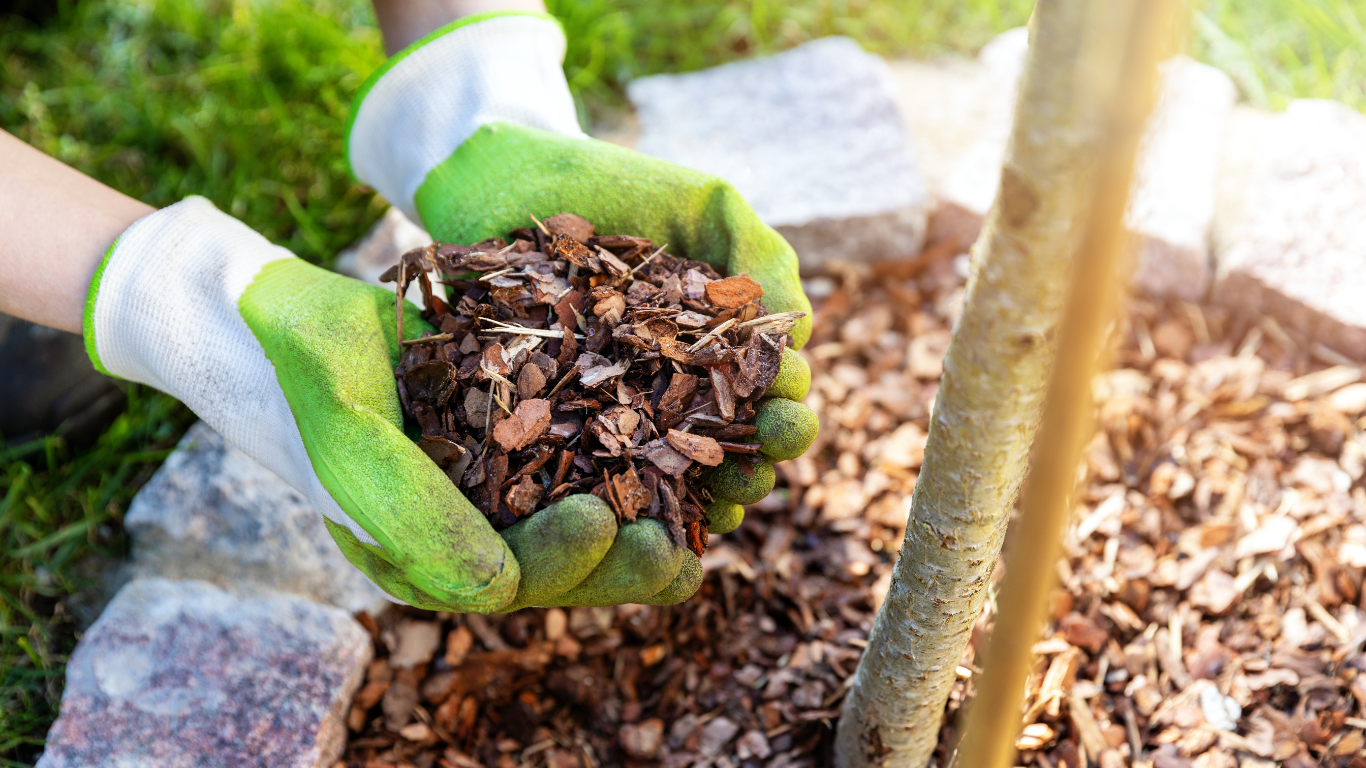
It’s easy to assume that more mulch equals more protection. But piling on too much—or applying it the wrong way—can smother your plants instead of helping them. Over-mulching usually means using more than 3 inches of mulch or building up layers over time without removing the old material underneath.
You might see over-mulched trees with “volcano” shapes at the base, where mulch gets packed around the trunk. Or maybe your flower beds always look damp, and plants aren’t thriving despite good watering and sunlight. These are signs that the mulch might be doing more harm than good.
What Can Go Wrong? A Lot More Than You Think
Here’s why over-mulching is a problem—even in warm places like Fort Myers, Cape Coral, or Naples, where landscapes need plenty of moisture and heat protection:
1. Suffocated Roots
Plants need to breathe, too. Roots pull in oxygen from the soil. If you pile mulch too high or thick, oxygen can’t reach those roots, and water can’t drain properly. That leads to shallow root growth, which weakens plants over time.
2. Trunk Rot
When mulch touches tree trunks or shrub stems, it traps moisture against the bark. That softens the tissue and makes it easier for rot and disease to spread. Moisture-related issues are hazardous during Southwest Florida’s rainy seasons.
3. Pest Problems
Mulch holds moisture. Insects love moisture. So when you’ve got a thick, soggy mulch bed, you’re rolling out the welcome mat for termites, ants, and other pests that would rather live somewhere dry, like inside your home or chewing on your plants.
4. Fungal Growth
Mold, mildew, and mushrooms thrive in over-mulched areas. If you’ve noticed strange fungi popping up in your yard or a sour smell coming from your beds, that’s a sign that moisture is lingering where it shouldn’t.
Why Homeowners Over Mulch (It Happens All the Time)
We get it. Mulch looks great when it’s fresh and tidy. In Southwest Florida, where sun and storms beat down on our yards year-round, adding more mulch is tempting to make things look sharp. But appearance isn’t everything.
Many homeowners don’t realize that old mulch needs refreshing, not piling. And without a solid understanding of plant needs, it’s easy to assume all areas should get the same treatment. Before you know it, that harmless mulch becomes a slow-growing issue across your entire yard.
What the Pros Do Differently
At Everyday Landscape Maintenance, we approach mulching with care and strategy. Here’s how we keep your yard protected—without going overboard:
- We stick to the 2–3 inch rule for mulch depth, adjusting based on plant type and soil conditions.
- We leave space around tree trunks and stems so air and water flow freely.
- We choose the right mulch material for your landscape, whether you need hardwood, pine bark, or something more decorative.
- We time mulch applications to fit the season, especially to beat the summer heat or prep for rainy season drainage.
- We maintain your mulch beds, removing excess buildup so it doesn’t keep piling up year after year.
This level of detail is hard to achieve with a DIY approach. And you don’t need to overhaul your yard to see the benefits—just correcting mulch placement and depth can make a big difference.
Why It Pays to Get Professional Help
Beyond preventing damage, professional mulch care gives your yard:
- Healthier plants that grow deep roots and resist pests
- Fewer weed issues because the mulch is applied evenly and consistently
- Less time spent maintaining your yard, thanks to better drainage and soil quality
- A cleaner look since we edge, shape, and smooth mulch for long-term curb appeal
We’ve helped dozens of Naples, Bonita Springs, and Fort Myers homeowners recover from years of overmulching. Most gardens bounce back fast once the extra layers are gone and mulch is applied correctly.
Need a Second Opinion? We’ve Got You Covered
If you’re unsure whether you’ve got an over-mulching issue—or if something just doesn’t look right—don’t stress. That’s what we’re here for. The team at Everyday Landscape Maintenance can take a look, clean things up if needed, and help your landscape look its best again.
You don’t need to be a landscape pro to have a beautiful yard. You just need the right partner.
Connect with us on Facebook and Instagram to stay updated with the latest landscape news.